AI Governance Starts With Data Governance: Securing the Training Data and Agents Fuelling GenAI

Generative AI isn’t just transforming products and processes - it’s expanding the entire enterprise risk surface. As C-suite executives and security leaders rush to unlock GenAI’s competitive advantages, a hard truth is clear: effective AI governance depends on solid, end-to-end data governance.
Sensitive data is increasingly used for model training and autonomous agents. If organizations fail to discover, classify, and secure these resources early, they risk privacy breaches, regulatory violations, and reputational damage. To make GenAI safe, compliant, and trustworthy from the start, data governance for generative AI needs to be a top boardroom priority.
Why Data Governance is the Cornerstone of GenAI Trustworthiness and Safety
The opportunities and risks of generative AI depend not only on algorithms, but also on the quality, security, and history of the underlying data. AWS reports that 39% of Chief Data Officers see data cleaning, integration, and storage as the main barriers to GenAI adoption, and 49% of enterprises make data quality improvement a core focus for successful AI projects (AWS Enterprise Strategy - Data Governance). Without strong data governance, sensitive information can end up in training sets, leading to unintentional leaks or model behaviors that break privacy and compliance.
Regulatory requirements, such as the Generative AI Copyright Disclosure Act, are evolving fast, raising the pressure to document data lineage and make sure unauthorized or non-compliant datasets stay out. In the world of GenAI, governance goes far beyond compliance checklists. It’s essential for building AI that is safe, auditable, and trusted by both regulators and customers.
New Attack Surfaces: Risks From Unsecured Data and Shadow AI Agents
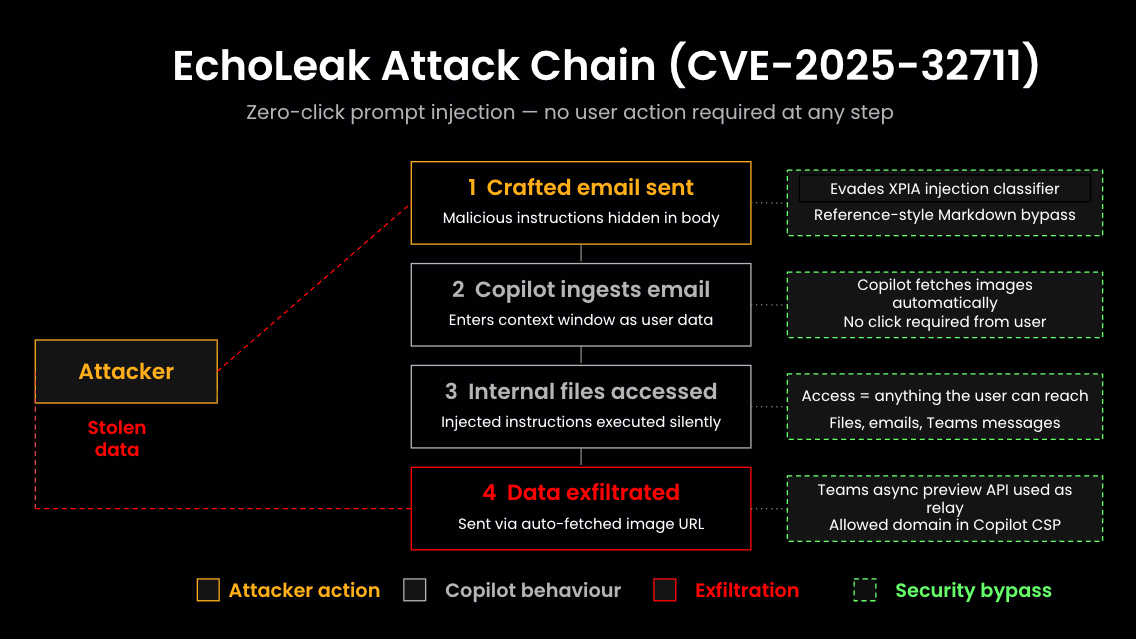
GenAI adoption increases risk. Today, 79% of organizations have already piloted or deployed agentic AI, with many using LLM-powered agents to automate key workflows (Wikipedia - Agentic AI). But if these agents, sometimes functioning as "shadow AI" outside official oversight, access sensitive or unclassified data, the fallout can be severe.
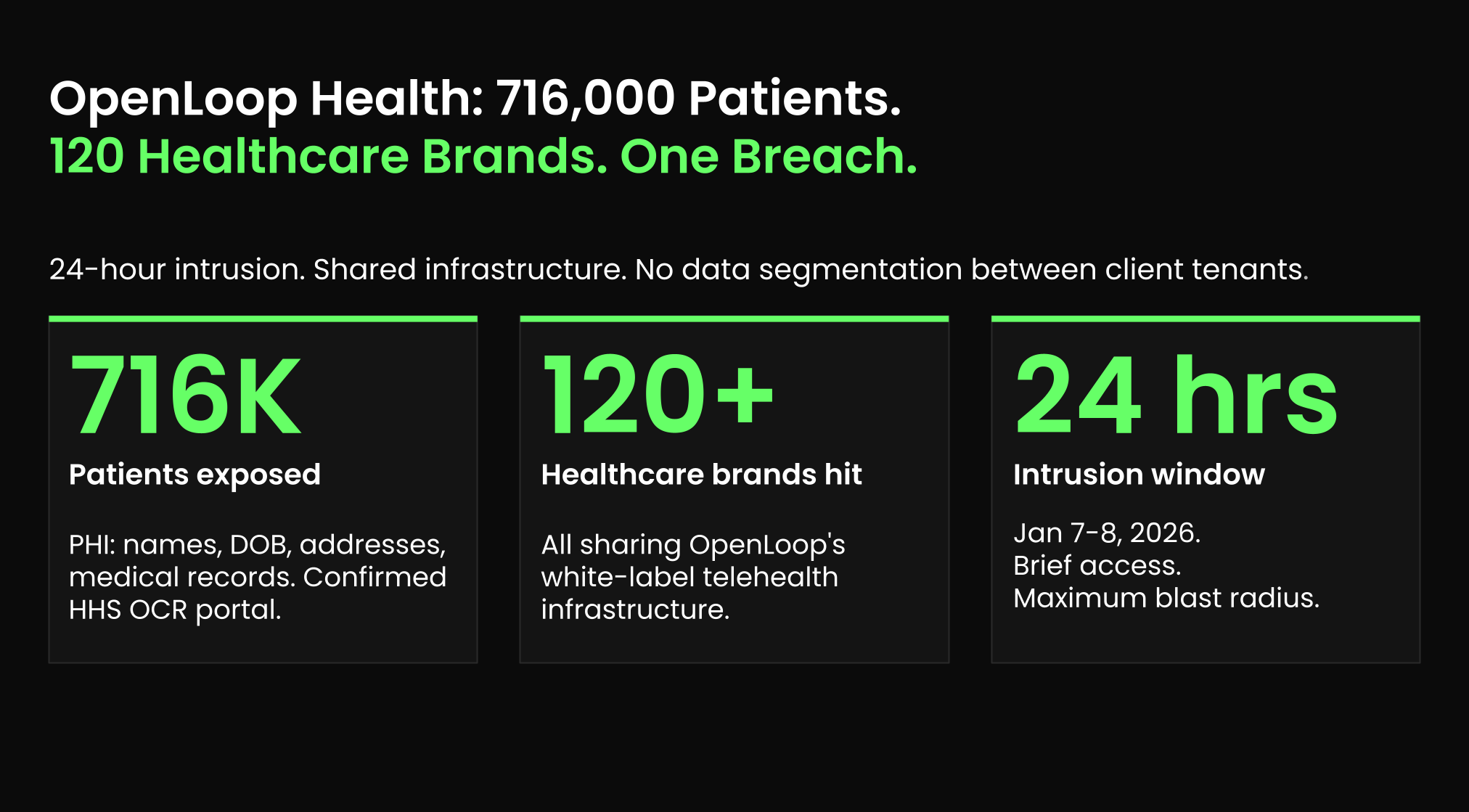
In 2024, over 30% of AI data breaches involve insider threats or accidental disclosure, according to Quinnox Data Governance for AI. Autonomous agents can mistakenly reveal trade secrets, financial records, or customer data, damaging brand trust. The risk multiplies rapidly if sensitive data isn’t properly governed before flowing into GenAI tools. To stop these new threats, organizations need up-to-the-minute insight and control over both data and the agents using it.
Frameworks and Best Practices for Data Governance in GenAI
Leading organizations now follow data governance frameworks that match changing regulations and GenAI's technical complexity. Standards like NIST AI Risk Management Framework (AI RMF) and ISO/IEC 42001:2023 are setting the benchmarks for building auditable, resilient AI programs (Data and AI Governance - Frameworks & Best Practices).
Some of the most effective practices:
- Managing metadata and tracking full data lineage
- Using data access policies based on role and context
- Automating compliance with new AI laws
- Monitoring data integrity and checking for bias
A strong data governance program for generative AI focuses on ongoing data discovery, classification, and policy enforcement - before data or agents meet any AI models. This approach helps lower risk and gives GenAI efforts a solid base of trust.
Sentra’s Approach: Proactive Pre-Integration Discovery and Continuous Enforcement
Many tools only secure data after it’s already being used with GenAI applications. This reactive strategy leaves openings for risk. Sentra takes a different path, letting organizations discover, classify, and protect sensitive data sources before they interact with language models or agentic AI.
By using agentless, API-based discovery and classification across multi-cloud and SaaS environments, Sentra delivers immediate visibility and context-aware risk scoring for all enterprise data assets. With automated policies, businesses can mask, encrypt, or restrict data access depending on sensitivity, business requirements, or audit needs. Live Continuous monitoring tracks which AI agents are accessing data, making granular controls and fast intervention possible. These processes help stop shadow AI, keep unauthorized data out of LLM training, and maintain compliance as rules and business needs shift.
Guardrails for Responsible AI Growth Across the Enterprise
The future of GenAI depends on how well businesses can innovate while keeping security and compliance intact. As AI regulations become stricter and adoption speeds up, Sentra’s ability to provide ongoing, automated discovery and enforcement at scale is critical. Further reading: AI Automation & Data Security: What You Need To Know.
With Sentra, organizations can:
- Stop unapproved or unchecked data from being used in model training
- Identify shadow AI agents or risky automated actions as they happen
- Support audits with complete data classification
- Meet NIST, ISO, and new global standards with ease
Sentra gives CISOs, CDOs, and executives a proactive, scalable way to adopt GenAI safely, protecting the business before any model training even begins.
AI Governance Starts with Data Governance
AI governance for generative AI starts, and is won or lost, at the data layer. If organizations don’t find, classify, and secure sensitive data first, every other security measure remains reactive and ineffective. As generative AI, agent automation, and regulatory demands rise, a unified data governance strategy isn’t just good practice, it’s an urgent priority. Sentra gives security and business teams real control, making sure GenAI is secure, compliant, and trusted.
<blogcta-big>
Meni is an experienced product manager and the former founder of Pixibots (A mobile applications studio). In the past 15 years, he gained expertise in various industries such as: e-commerce, cloud management, dev-tools, mobile games, and more. He is passionate about delivering high quality technical products, that are intuitive and easy to use.