Why Infrastructure Security Is Not Enough to Protect Sensitive Data

For years, security programs have focused on protecting infrastructure: networks, servers, endpoints, and applications. That approach made sense when systems were static and data rarely moved. It’s no longer enough.
Recent breach data shows a consistent pattern. Organizations detect incidents, restore systems, and close tickets, yet remain unable to answer the most important question regulators and customers often ask:
Where does my sensitive data reside?
Who or what has access to this data and are they authorized?
Which specific sensitive datasets were accessed or exfiltrated?
Infrastructure security alone cannot answer that question.
Infrastructure Alerts Detect Events, Not Impact
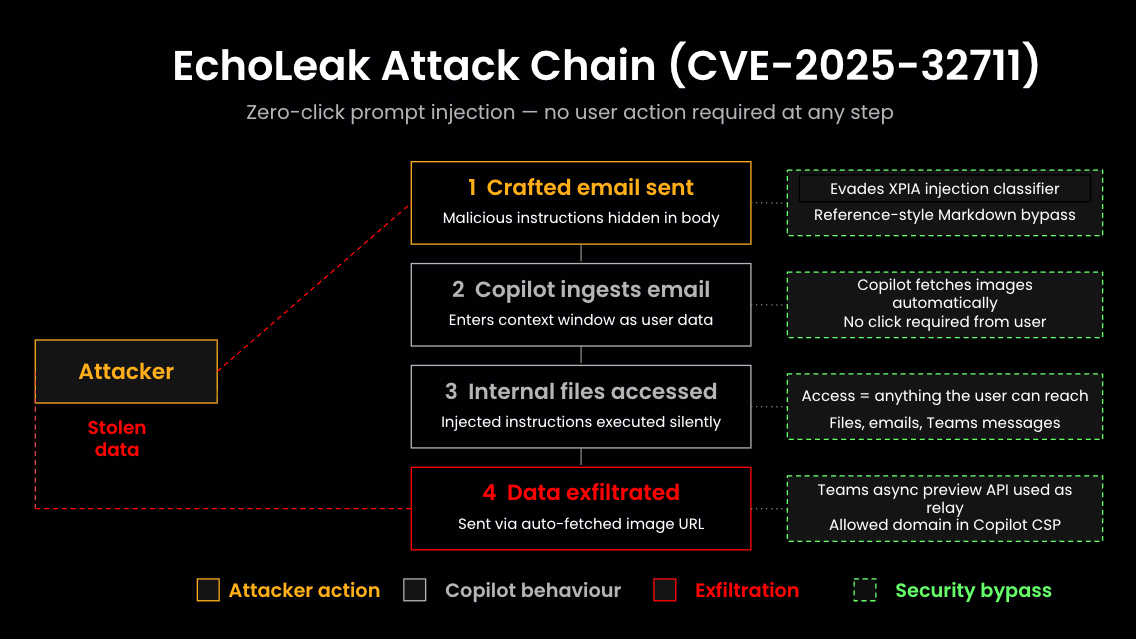
Most security tooling is infrastructure-centric by design. SIEMs, EDRs, NDRs, and CSPM tools monitor hosts, processes, IPs, and configurations. When something abnormal happens, they generate alerts.
What they do not tell you is:
- Which specific datasets were accessed
- Whether those datasets contained PHI or PII
- Whether sensitive data was copied, moved, or exfiltrated
Traditional tools monitor the "plumbing" (network traffic, server logs, etc.) While they can flag that a database was accessed by an unauthorized IP, they often cannot distinguish between an attacker downloading a public template or downloading a table containing 50,000 Social Security numbers. An alert is not the same as understanding the exposure of the data stored inside it. Without that context, incident response teams are forced to infer impact rather than determine it.
The “Did They Access the Data?” Problem
This gap becomes pronounced during ransomware and extortion incidents.
In many cases:
- Operations are restored from backups
- Infrastructure is rebuilt
- Access is reduced
- (Hopefully!) attackers are removed from the environment
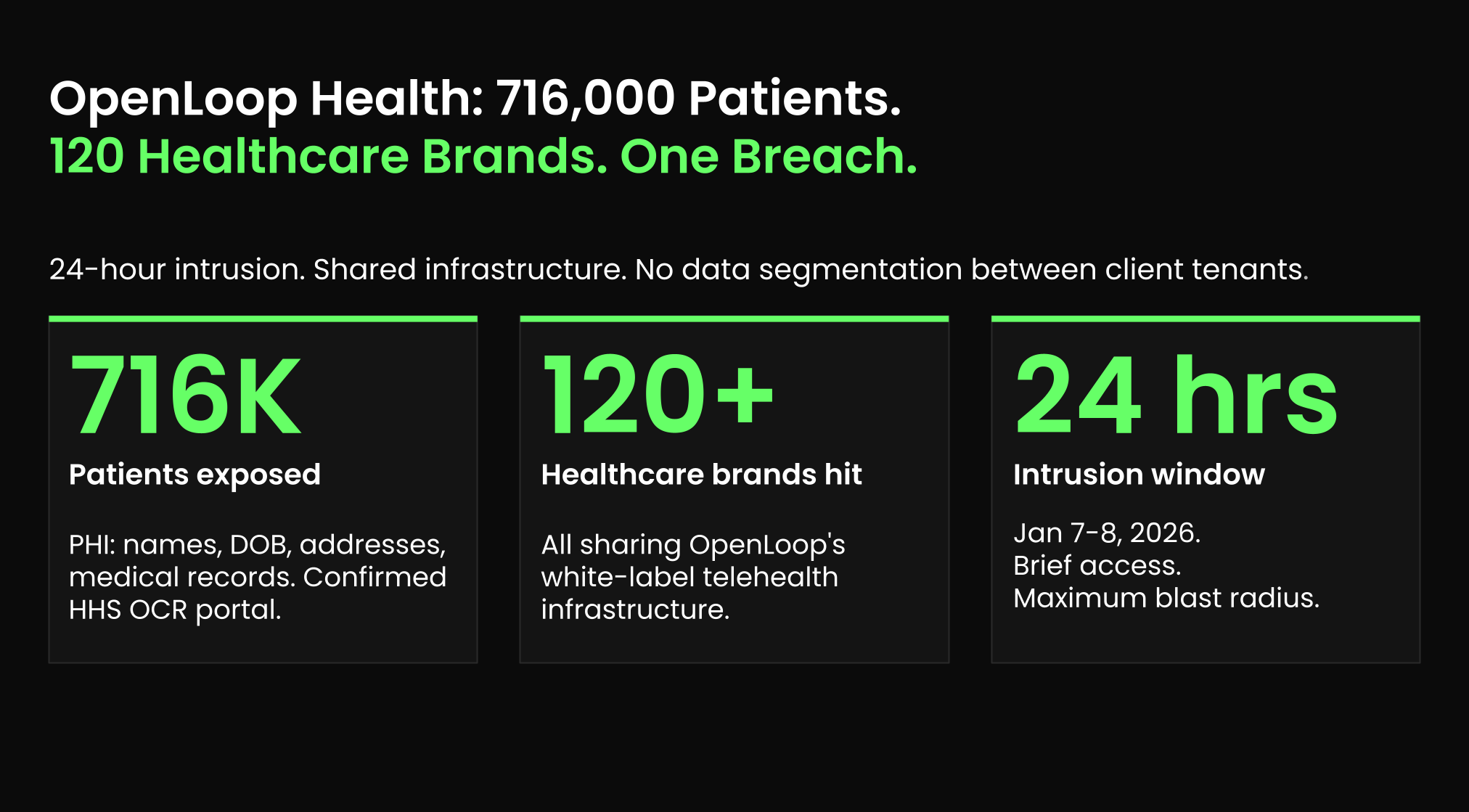
Yet organizations still cannot confirm whether sensitive data was accessed or exfiltrated during the dwell time.
Without data-level visibility:
- Legal and compliance teams must assume worst-case exposure
- Breach notifications expand unnecessarily
- Regulatory penalties increase due to uncertainty, not necessarily damage
The inability to scope an incident accurately is not a tooling failure during the breach, it is a visibility failure that existed long before the breach occurred. Under regulations like GDPR or CCPA/CPRA, if an organization cannot prove that sensitive data wasn’t accessed during a breach, they are often legally required to notify all potentially affected parties. This ‘over-notification’ is costly and damaging to reputation.
Data Movement Is the Real Attack Vulnerability
Modern environments are defined by constant data movement:
- Cloud migrations
- SaaS integrations
- App dev lifecycles
- Analytics and ETL pipelines
- AI and ML workflows
Each transition creates blind spots.
Legacy platforms awaiting migration often exist in a “wait state” with reduced monitoring. Data copied into cloud storage or fed into AI pipelines frequently loses lineage and classification context. Posture may vary and traditional controls no longer apply consistently. From an attacker’s perspective, these environments are ideal. From a defender’s perspective, they are blind spots.
Policies Are Not Proof
Most organizations can produce policies stating that sensitive data is encrypted, access-controlled, and monitored. Increasingly, regulators are moving from point-in-time audits to requiring continuous evidence of control.
Regulators are asking for evidence:
- Where does PHI live right now?
- Who or what can access it?
- How do you know this hasn’t changed since the last audit?
Point-in-time audits cannot answer those questions. Neither can static documentation. Exposure and access drift continuously, especially in cloud and AI-driven environments.
Compliance depends on continuous control, not periodic attestation.
What Data-Centric Security Actually Requires
Accurately proving compliance and scoping breach impact requires security visibility that is anchored to the data itself, not the infrastructure surrounding it.
At a minimum, this means:
- Continuous discovery and classification of sensitive data
- Consistent compliance reporting and controls across cloud, SaaS, On-Prem, and migration states
- Clear visibility into which identities, services, and AI tools can access specific datasets
- Detection and response signals tied directly to sensitive data exposure and movement
This is the operational foundation of Data Security Posture Management (DSPM) and Data Detection and Response (DDR). These capabilities do not replace infrastructure security controls; they close the gap those controls leave behind by connecting security events to actual data impact.
This is the problem space Sentra was built to address.
Sentra provides continuous visibility into where sensitive data lives, how it moves, and who or what can access it, and ties security and compliance outcomes to that visibility. Without this layer, organizations are forced to infer breach impact and compliance posture instead of proving it.
Why Data-Centric Security Is Required for Today's Compliance and Breach Response
Infrastructure security can detect that an incident occurred, but it cannot determine which sensitive data was accessed, copied, or exfiltrated. Without data-level evidence, organizations cannot accurately scope breaches, contain risk, or prove compliance, regardless of how many alerts or controls are in place. Modern breach response and regulatory compliance require continuous visibility into sensitive data, its lineage, and its access paths. Infrastructure-only security models are no longer sufficient.
Want to see how Sentra provides complete visibility and control of sensitive data?
<blogcta-big>
Ofir is the Senior Backend Architect and Head of Platform at Sentra, where he leads the design and development of scalable, high-performance systems. With deep expertise in cloud architecture, distributed systems, and modern backend technologies, he drives platform innovation that powers Sentra’s growth.